What Do People Really Mean When They Talk About “Longevity”?
Longevity has become one of the most talked-about concepts in modern health and luxury living. Once associated simply with reaching an advanced age, longevity today refers to something far more sophisticated: the ability to live longer while maintaining vitality, independence, clarity of mind, and physical strength.
In elite wellness circles, longevity is no longer about survival—it is about optimization. It is about protecting energy, preserving cognitive sharpness, and extending the years in which life feels vibrant and purposeful. Increasingly, the world’s most discerning individuals are investing not only in comfort and beauty, but in time itself—time lived well.
Longevity, in this new era, is being redefined as the ultimate luxury.
The Rise of Longevity as a Luxury Lifestyle
Luxury once centered on visible symbols—fine homes, designer wardrobes, rare travel experiences. Today, the definition of luxury is shifting toward something less visible but infinitely more valuable: healthspan, the number of years lived in good health.
Across the globe, longevity-focused services are transforming the wellness landscape. Private clinics now offer advanced diagnostic screenings, metabolic profiling, and personalized health planning designed to anticipate problems before they begin. High-end wellness resorts incorporate regenerative therapies, curated nutrition programs, and restorative environments that allow the body to recover from the demands of modern life.
Longevity is no longer reactive—it is proactive, intentional, and deeply personal.
Precision Wellness: A Tailored Approach to Aging
One of the defining features of luxury longevity is personalization. No two individuals age in exactly the same way, and modern longevity strategies increasingly reflect this reality.
Precision wellness programs often include:
- Comprehensive blood and metabolic testing
- Hormonal and inflammatory profiling
- Advanced cardiovascular screening
- Body composition and muscle quality assessments
- Nutritional customization based on metabolic response
Rather than relying on generic advice, these programs create individualized plans designed to optimize energy, strength, and long-term health.
For many, this personalized approach represents a shift from routine healthcare to strategic health management—an investment in long-term vitality.
The Luxury of Time: Recovery as a Status Symbol
In today’s fast-moving world, one of the most powerful luxuries is the ability to slow down.
Recovery—once overlooked—is now viewed as essential to longevity. Elite athletes and executives alike recognize that performance depends not only on effort but on restoration.
Modern recovery-focused practices include:
- Structured sleep optimization
- Guided breathing and relaxation techniques
- Thermal therapies such as cold immersion and heat exposure
- Massage and bodywork
- Digital detox experiences
Sleep, in particular, has emerged as one of the most valuable longevity assets. Deep restorative sleep supports memory, immune function, hormonal balance, and cellular repair.
In luxury longevity culture, rest is no longer seen as indulgent—it is strategic.
Movement as Medicine: Strength as the New Currency of Aging
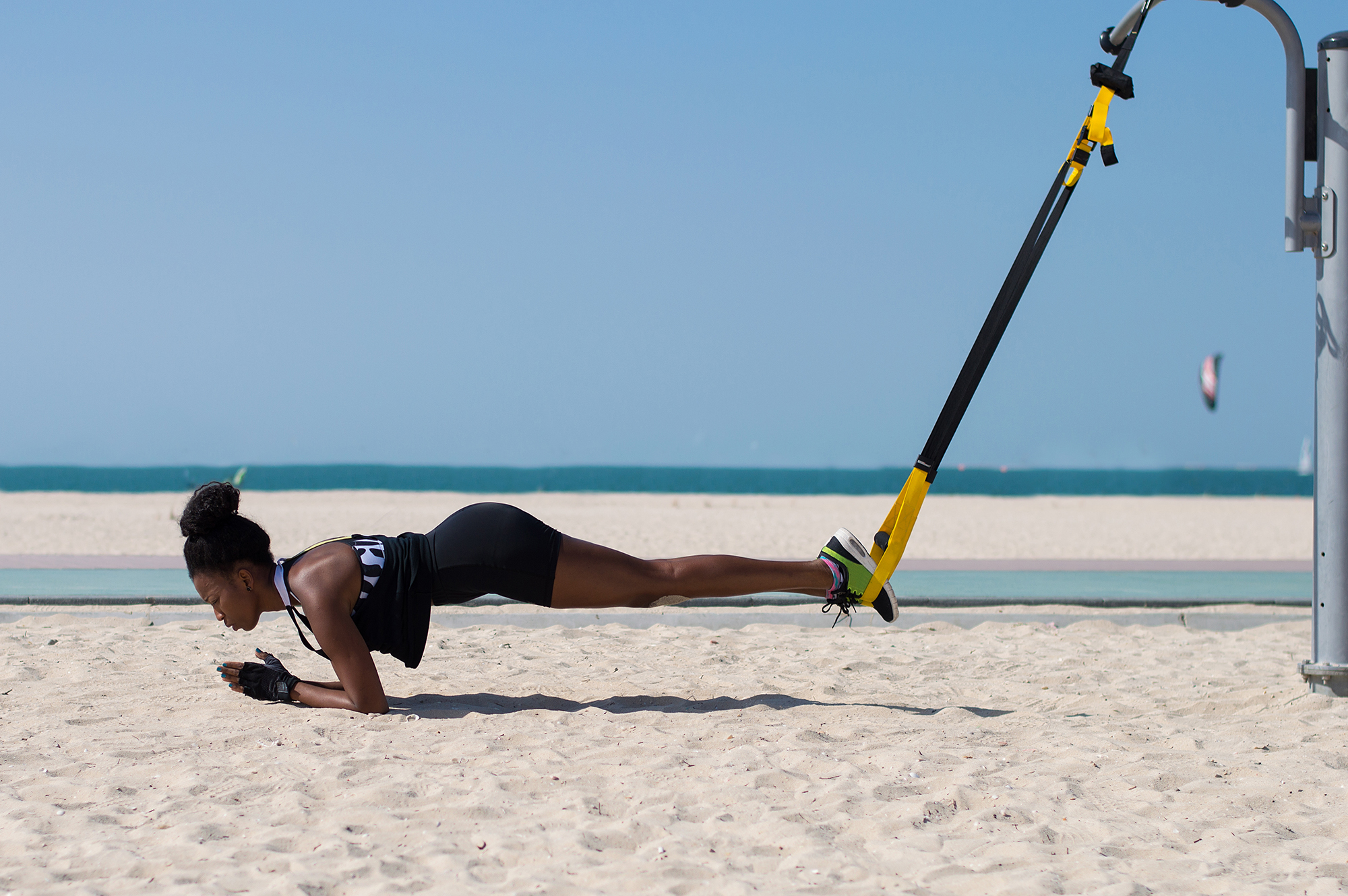
While longevity once emphasized cardiovascular exercise alone, the modern model places increasing value on strength and functional movement.
Maintaining muscle mass is now widely recognized as one of the most reliable predictors of healthy aging. Strength supports metabolism, mobility, bone density, and resilience against injury.
Luxury fitness programs often emphasize:
- Personalized strength training
- Mobility and flexibility work
- Balance-focused exercise
- Functional movement designed for real-life activities
Rather than extreme workouts, longevity movement emphasizes sustainability—training that supports the body over decades, not just seasons.
Strength is becoming the new measure of vitality.
The Architecture of Longevity: Designing Environments That Heal
Environment plays a surprisingly powerful role in long-term health. Luxury living spaces are increasingly being designed with longevity in mind.
Modern longevity-focused environments may include:
- Natural light optimization
- Air purification systems
- Noise-reduction architecture
- Access to green spaces
- Wellness-centered interior design
Exposure to nature—whether through gardens, water views, or outdoor walking paths—has measurable effects on stress levels, mood, and cardiovascular health.
Design, once focused solely on aesthetics, is now being recognized as a tool for wellness.
Nutrition as a Ritual, Not a Restriction
In luxury longevity culture, nutrition is evolving from strict dieting to intentional nourishment.
Meals are viewed as experiences—crafted with quality ingredients, seasonal produce, and thoughtful preparation. Rather than emphasizing deprivation, modern longevity nutrition celebrates abundance in the form of nutrient-dense foods.
High-end longevity-focused kitchens prioritize:
- Fresh vegetables and vibrant plant foods
- High-quality proteins
- Healthy fats
- Minimally processed ingredients
- Seasonal and regionally sourced produce
Vegetables—particularly leafy greens and nutrient-dense plants—remain central to these approaches, offering antioxidants and micronutrients that support cellular protection.
Nutrition becomes not only nourishment—but ritual.
Cognitive Longevity: Preserving the Mind
Longevity is not measured solely by physical health. Cognitive clarity, memory, and emotional resilience are equally important components of long-term vitality.
Luxury longevity programs increasingly include cognitive wellness practices such as:
- Brain training exercises
- Mindfulness and meditation
- Continuous learning opportunities
- Creative engagement
- Social connection experiences
Mental stimulation strengthens neural pathways and helps preserve independence over time.
The goal is not simply to live longer—but to think clearly and engage fully in every stage of life.
Longevity Travel: Wellness as a Destination
Travel itself is being reimagined through the lens of longevity.
Wellness-focused travel experiences now include:
- Immersive retreats centered on restoration
- Nature-based movement programs
- Therapeutic spa experiences
- Culinary wellness journeys
- Mindfulness and resilience training
These experiences are designed to restore equilibrium rather than exhaust it.
In many ways, longevity travel reflects a shift in priorities—from constant activity to meaningful renewal.
The Social Dimension of Longevity
Even in the most advanced wellness settings, one of the most powerful longevity tools remains profoundly human: connection.
Strong relationships are consistently associated with longer life expectancy, improved immune function, and greater emotional resilience.
Luxury longevity communities often emphasize:
- Shared experiences
- Group activities
- Meaningful conversations
- Intergenerational engagement
Health is strengthened not only by individual effort but by shared belonging.
Longevity as the Ultimate Investment
Luxury traditionally focused on possessions—homes, vehicles, art. Today, the most valuable investment is increasingly recognized as health capital.
Longevity represents the preservation of:
- Energy
- Mobility
- Independence
- Memory
- Freedom
It is not about adding years alone, but about enhancing the quality of those years.
For many, longevity has become the ultimate expression of self-respect—an acknowledgment that time is the most precious resource we possess.
A New Standard of Luxury
The modern definition of luxury is evolving. It is no longer defined solely by exclusivity or rarity, but by sustainability, vitality, and well-being.
Longevity represents a new kind of wealth—one measured not in possessions, but in strength, clarity, and resilience.
In this new era, the true mark of luxury may not be what we own, but how well we live, how long we thrive, and how fully we experience the years ahead.