There are rooms most people never see.
Velvet ropes or dramatic entrances do not announce them. They are quieter than that: a private back room at Gagosian, a viewing before the doors open, a conversation with an artist before the market has decided what the work is worth, a dinner where introductions are made long before anyone thinks to raise a camera.
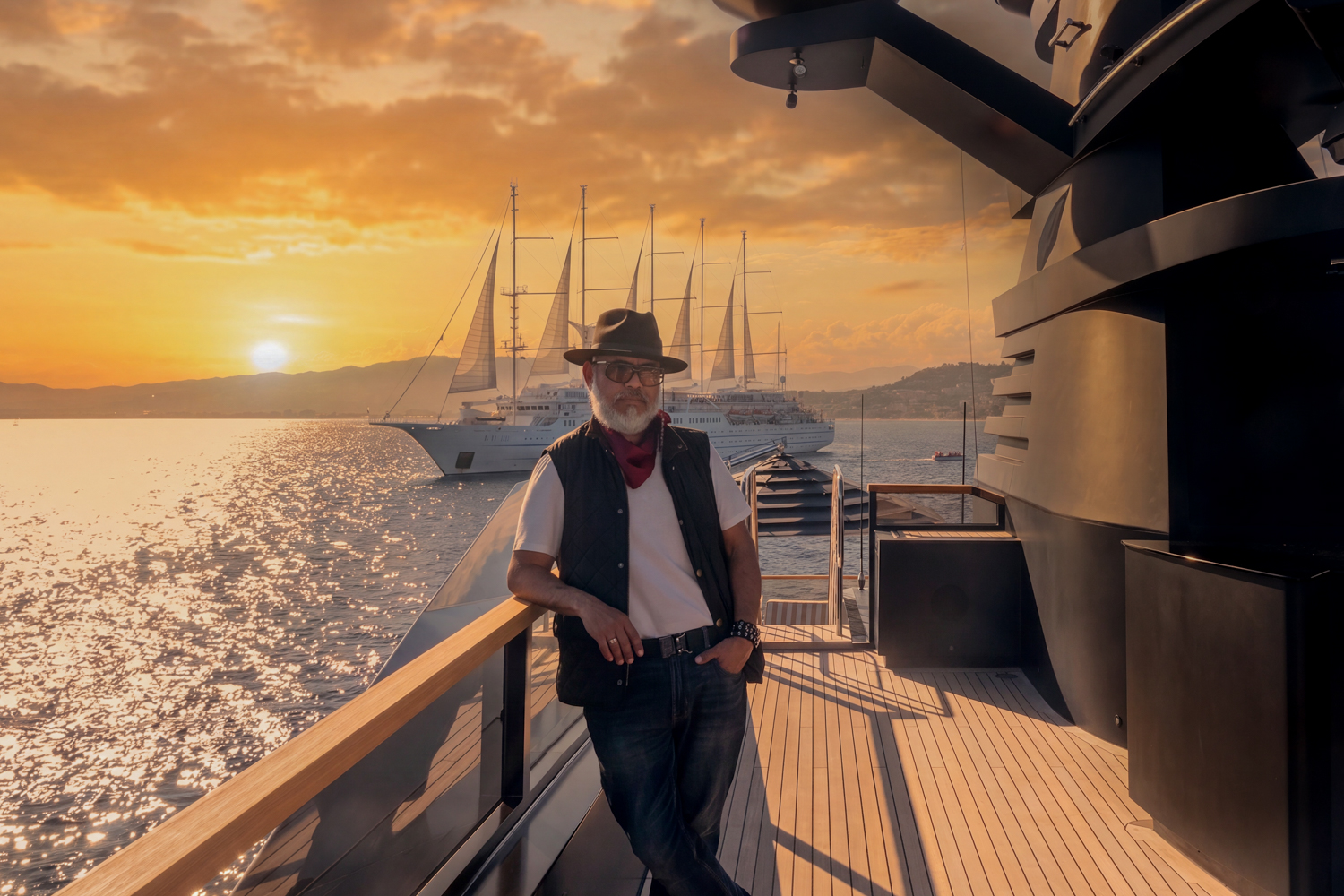
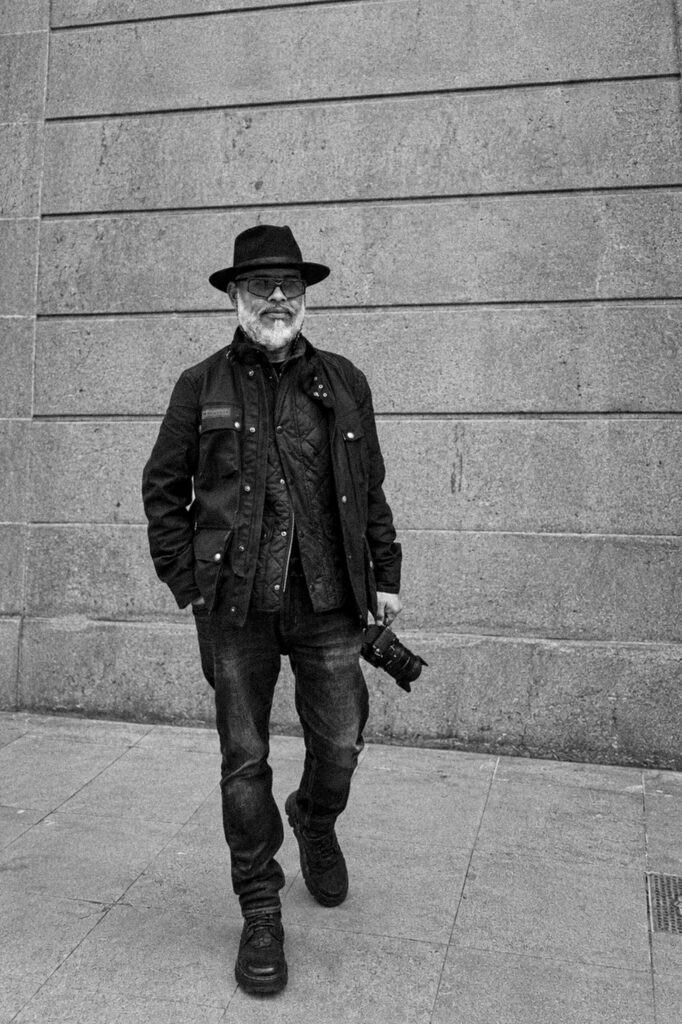
Peter Koloff has spent much of his career in those rooms.
A New York-based photographer, filmmaker, and writer, Koloff moves through the overlapping worlds of contemporary art, fashion, film, and luxury. What sets him apart is not only the images he captures, but the access that allows him to make them, and an increasingly rare understanding of when not to lift the camera at all.
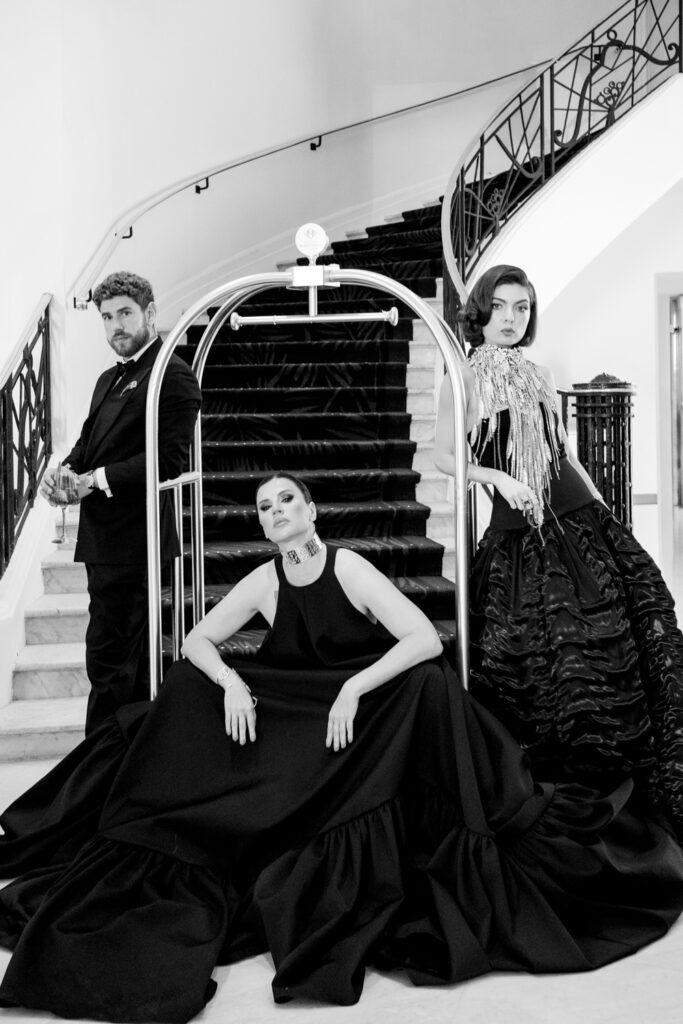
In an age when proximity is instantly turned into content, restraint has become part of his value.
He once wrote of the Hôtel du Cap-Eden-Roc that it “never seems desperate to impress you.” The line also speaks to the way he understands luxury: confidence, discretion, and the ability to leave something unsaid.
Koloff is often less interested in the performance than in the choreography that makes it possible. The half hour before the runway show. The private conversation before the acquisition. The quiet exchange before the public narrative takes hold. For him, the real story usually begins before the official one.
One moment illustrates the point. Entering a private back room at Gagosian behind a major collector, the kind of person whose presence opens doors that press credentials cannot, Koloff found himself with a Clyfford Still in one space and a Maurizio Cattelan in another. These were not works awaiting the afternoon crowd. They were being shown privately to people in a position to acquire them.
Koloff took a single photograph for himself, and left.
It is a telling detail for a man whose profession revolves around images. Access, he understands, is not a trophy to be flaunted. It is a matter of trust.
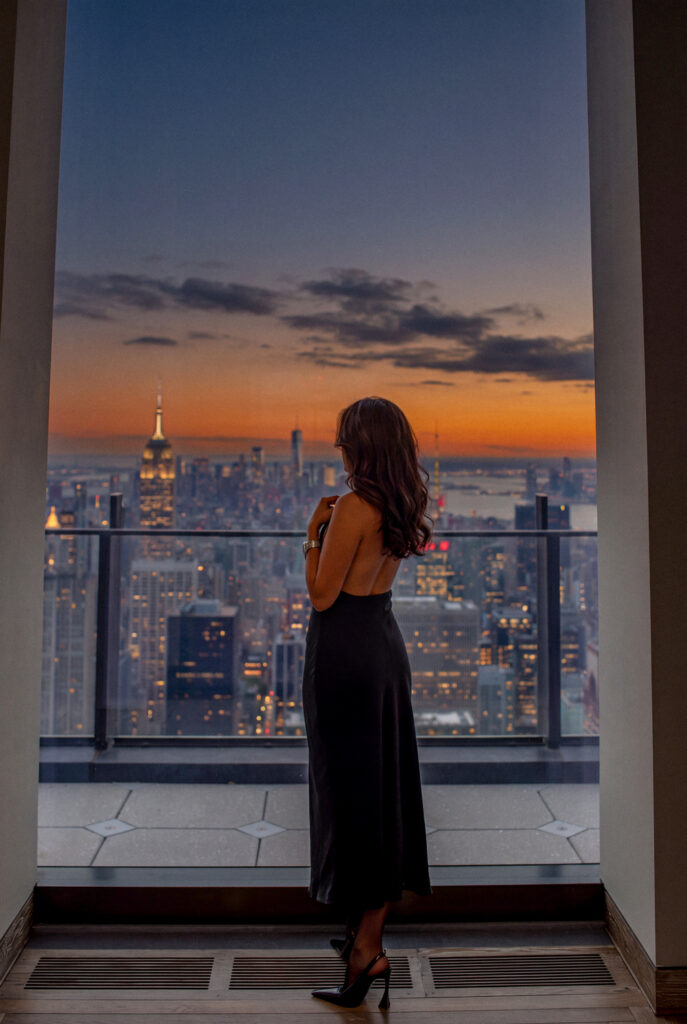
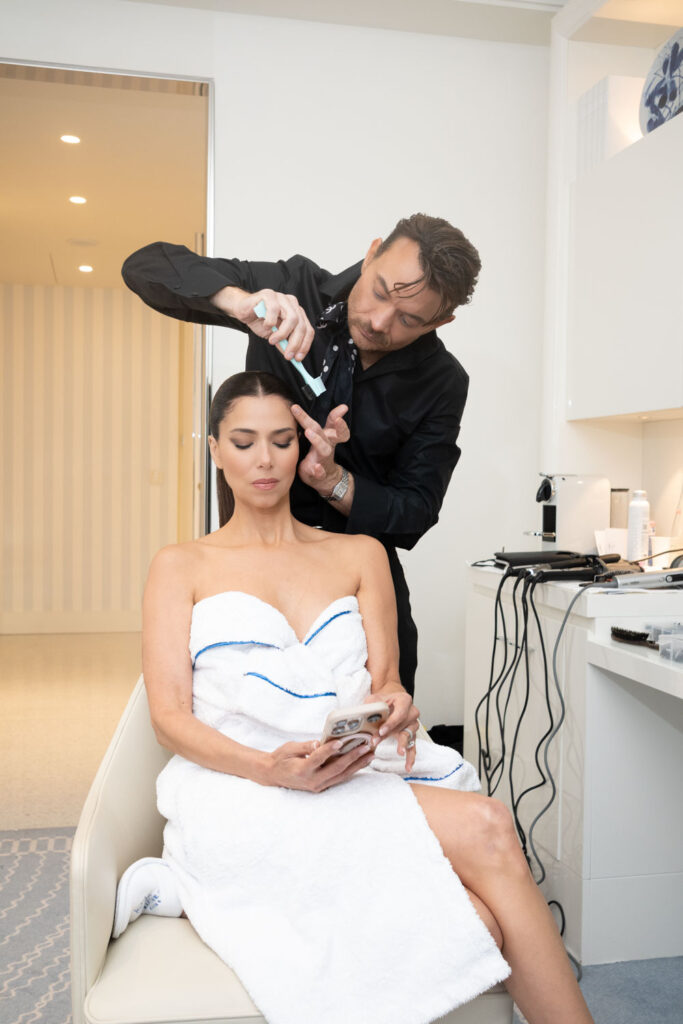
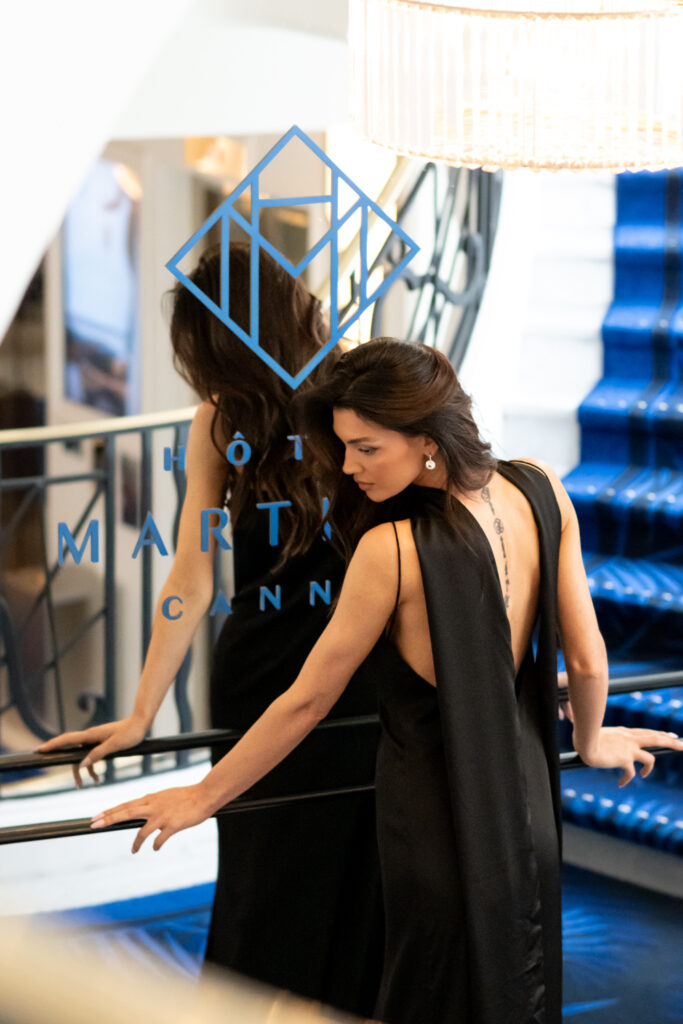
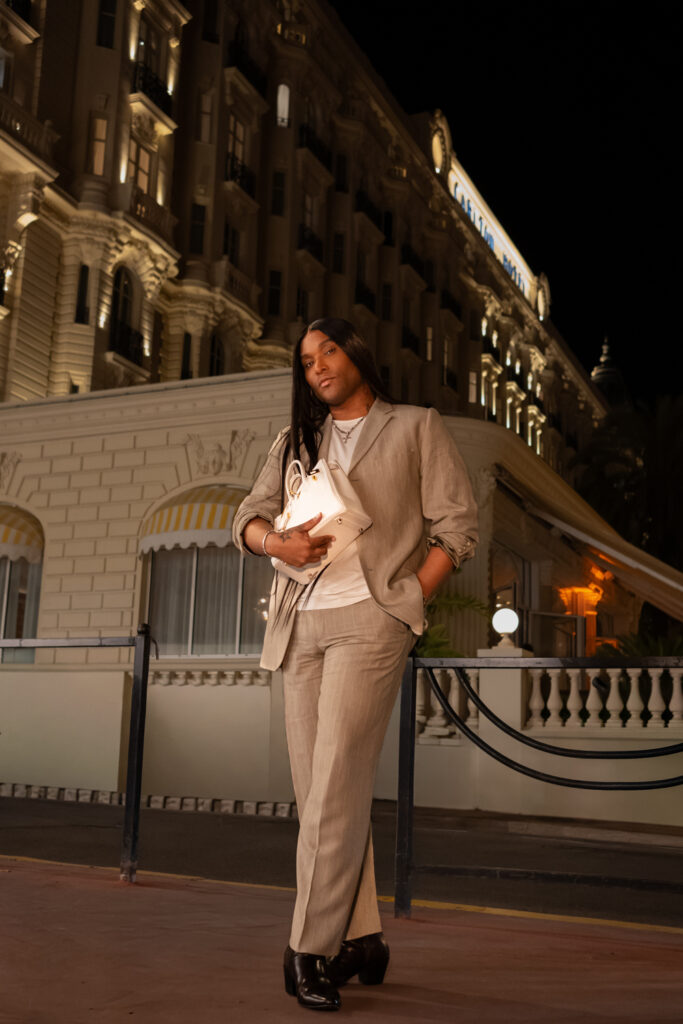
An Unconventional Route
Koloff did not arrive through a single institution or a carefully managed career plan.
In the early 2000s, in a version of downtown Los Angeles that has since been remade almost beyond recognition, he co-produced intimate one-night exhibitions in borrowed spaces. Unknown artists on the walls. Carefully chosen music. An audience gathered by invitation rather than algorithm. By morning, the shows disappeared as quickly as they had appeared.
Several of the artists who passed through those rooms, including RETNA, would later build major careers. At the time, nothing was certain, and that uncertainty was part of the appeal. Koloff was already drawn to the territory before recognition arrives.
His education did not come from a traditional art school. Part of it came from the William Morris Agency, the legendary Hollywood institution that helped shape generations of power brokers, including David Geffen, Barry Diller, and Michael Ovitz. Larry Gagosian also passed through William Morris before building one of the most powerful gallery empires in the world. It was an environment where watching how power moved could be as instructive as the work itself.
For Koloff, the lesson had little to do with celebrity. It was about architecture: the invisible structure of relationships behind every visible success. At William Morris, he absorbed a principle that would organize much of his working life: by the time the public sees the announcement, the casting, the acquisition, or the arrival, the meaningful conversation has usually already happened somewhere else.
Koloff learned to pay attention to that somewhere else.
Inside the Moment
Over the years, the camera became his passport into a series of adjacent worlds: contemporary art, high fashion, film, luxury hospitality, and private events that rarely explain themselves to outsiders. His edge was never volume or visibility. It was patience, discretion, and the understanding that in rooms where trust is everything, the person who does not make himself the event is often the one invited back.
In 2014, Koloff produced a filmed conversation between art advisor Maria Brito and photographer David LaChapelle during Land Scape at Paul Kasmin Gallery in New York. The timing was prescient. Instagram was shifting from casual sharing into a powerful discovery engine, and the art world was quietly reordering itself. LaChapelle was presenting work that moved between beauty, spectacle, industrial imagery, and environmental warning. Koloff was not watching the change from afar. He was in the room as it happened.
That same instinct placed him at Allison Zuckerman’s first solo exhibition, Act Natural, at Kravets Wehby Gallery in 2017, where he photographed the show shortly before the Rubell Family Collection became one of her most important early champions, acquiring a substantial body of her work and helping accelerate the broader attention that followed.
Such moments rarely announce themselves as pivotal at the time. They only look inevitable in hindsight. A turning point does not declare itself while it is happening. It becomes legible later, once collectors, institutions, writers, and the market agree on the story.
Koloff is drawn to the period before that agreement.
Cannes, and What It Has Become
Nowhere is that perspective more evident than at Cannes.
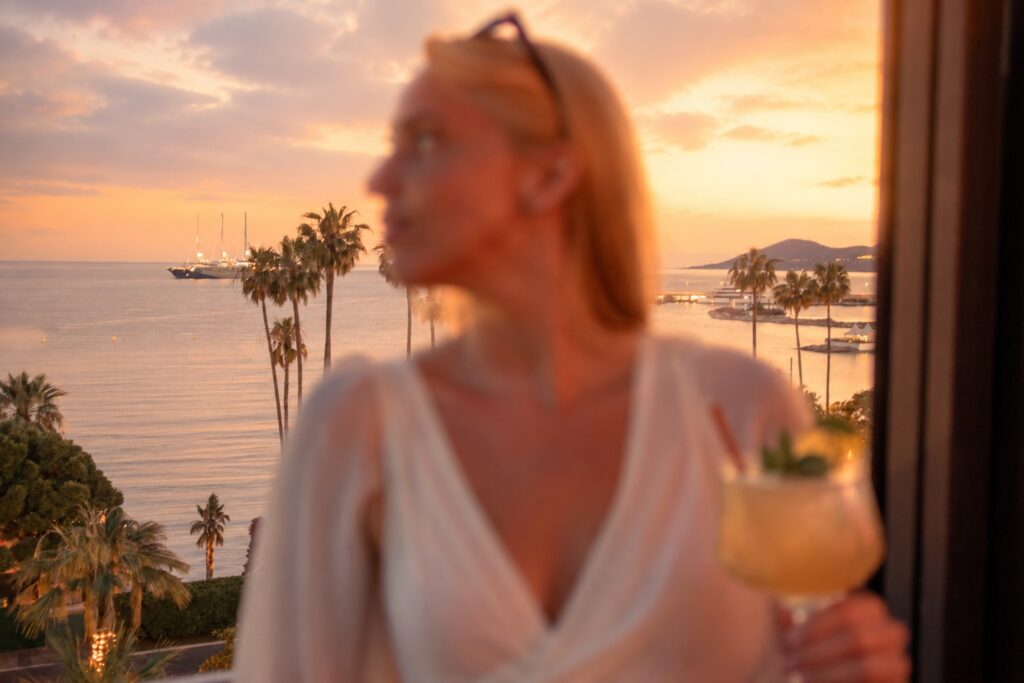
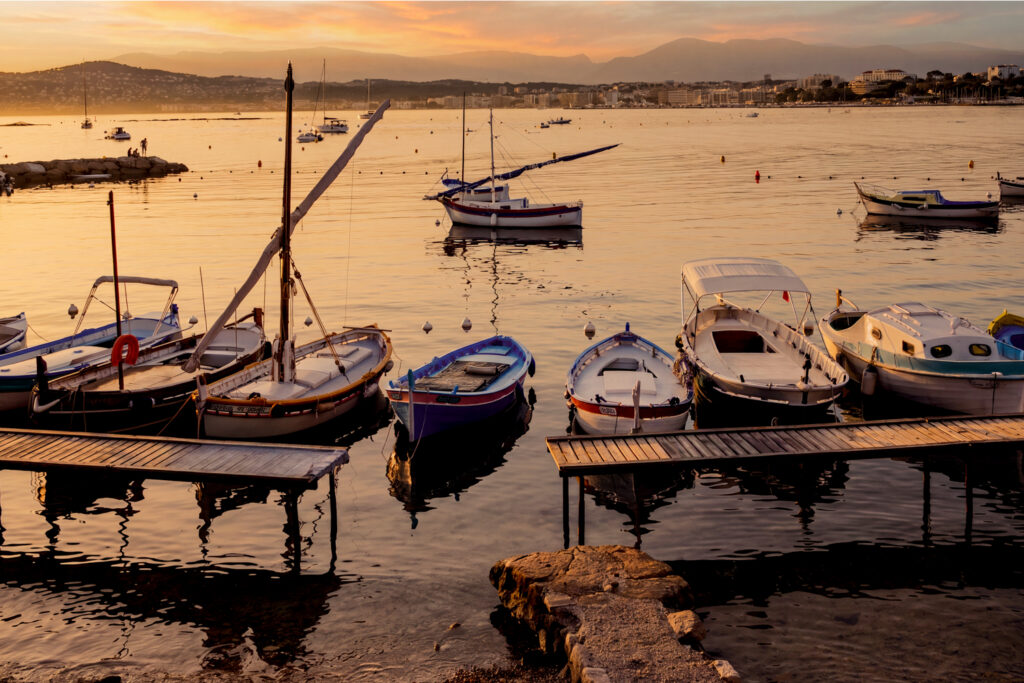
To the outside world, Cannes is premieres, gowns, yachts, and flashbulbs. From the inside, it is something more layered: a temporary capital where film, finance, luxury, technology, media, and ambition occupy the same few square miles. It is glamorous and transactional, artistic and commercial, old-world and increasingly digital.
Koloff’s documentary project, EXPOSURE, is built around that tension. It treats the festival not simply as a celebration of cinema, but as a question: what has Cannes become?
Film remains central, but it now shares the stage with investors, brands, entrepreneurs, publicists, creators, and platforms. Cannes has become a place where culture is made, financed, photographed, packaged, and sold. Koloff approaches it as both participant and observer, attentive to who gets into which room, who controls the image, and who is there because visibility itself has become a form of currency.
He is not dazzled into blindness. He can admire the glamour while studying the system beneath it.
That double vision has become one of the signatures of his work. Koloff understands the seduction of beautiful rooms, but he is just as interested in the rules that govern them: who is invited, who is watched, who is ignored, who arrives with status, and who leaves with it. His images often begin with access, but they are rarely only about access. They are about what access reveals.
What Cannot Be Shown
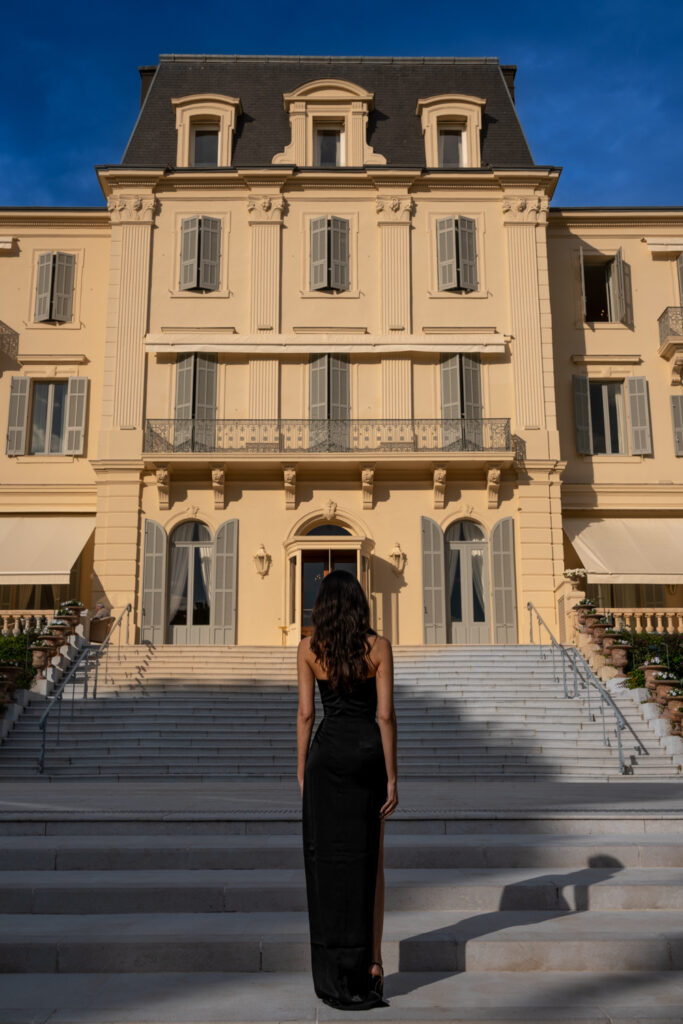
Part of Koloff’s work cannot be published. Some assignments are governed by confidentiality. Others take place in private homes, restricted spaces, or around clients for whom discretion is not a courtesy, but a condition. In that world, the unpublished work is not a mystery to be teased. It stays unpublished because that was the price of being there.
Across Los Angeles, New York, Paris, and Cannes, the through line in Koloff’s work is not celebrity, and not quite glamour, though glamour is often in the frame. It is trust: the quiet foundation that grants access and, just as importantly, defines its limits.
“The camera was never the reason people trusted me,” he says. “Trust came first.”
By the time most people arrive at the moment, Peter Koloff has usually already been there.